THE CARRY: These Are The Only Gloves Anyone Will Ever Need

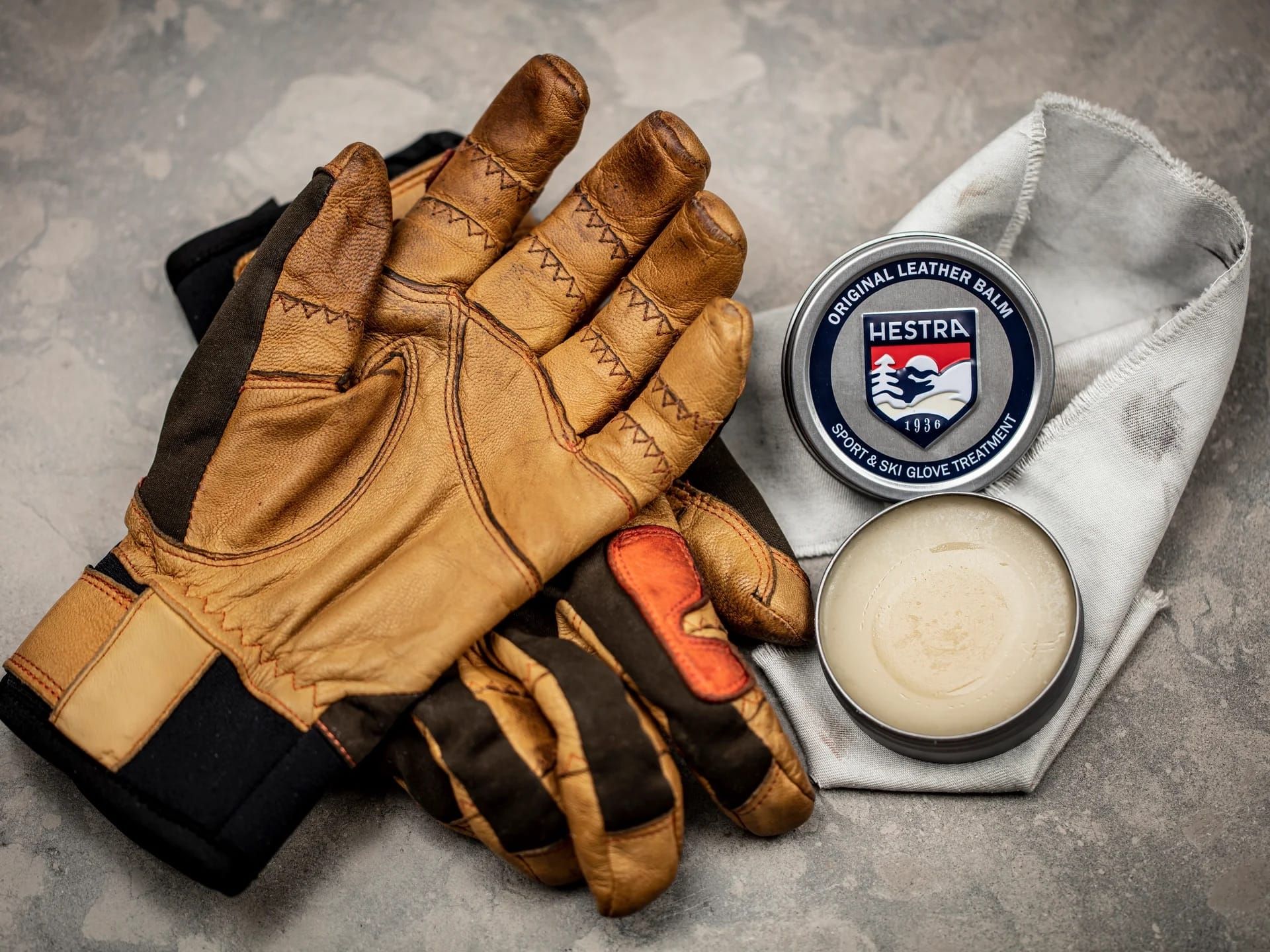
If you want one pair of winter gloves that will last a decade, buy Hestra. It's one of life's universal truths. There's really nothing else out there like them. Ski patrollers wear them, city commuters wear them, and both groups tend to replace them only when they lose one. So here's a brief introduction to my favorite glove.
Martin Magnusson started the company in 1936 in Hestra, a village of about 1,000 people in Småland. He worked out of a farmhouse, sewing riveted cowhide mittens with wool linings for local lumberjacks. The town’s name stuck around because customers called them the gloves from Hestra. A slalom slope opened on nearby Isaberg in 1937, and Magnusson had his first ski glove on sale by 1941. His sons Lars-Olof and Göte took over in 1963. The third and fourth generations run it now, with Anton Magnusson as managing director. Hestra has never made jackets, bags or anything else. It makes gloves.
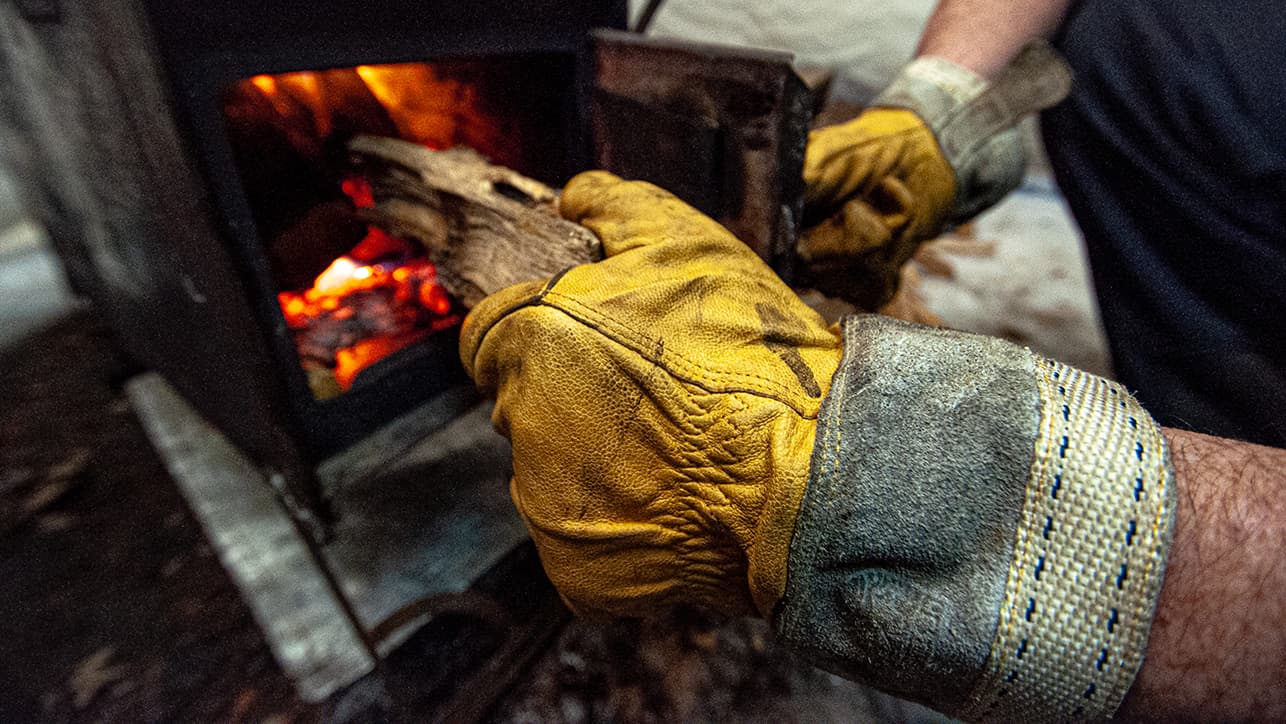
Design happens in Hestra. Production happens in factories the company owns in Hungary, China and Vietnam, which together turned out more than two million pairs in 2021. The Hungarian connection goes back to the 1950s, when Swedish seamstresses were hard to find and Hungary still had a working glove trade. Hestra now runs its own factory in Rakamaz. The family buys leather directly: goat for ski gloves, elk from Sweden and Finland, North American deerskin, hairsheep. Owning the factories matters more here than any flag on the label. It is why the fit and stitching are consistent from one pair to the next.
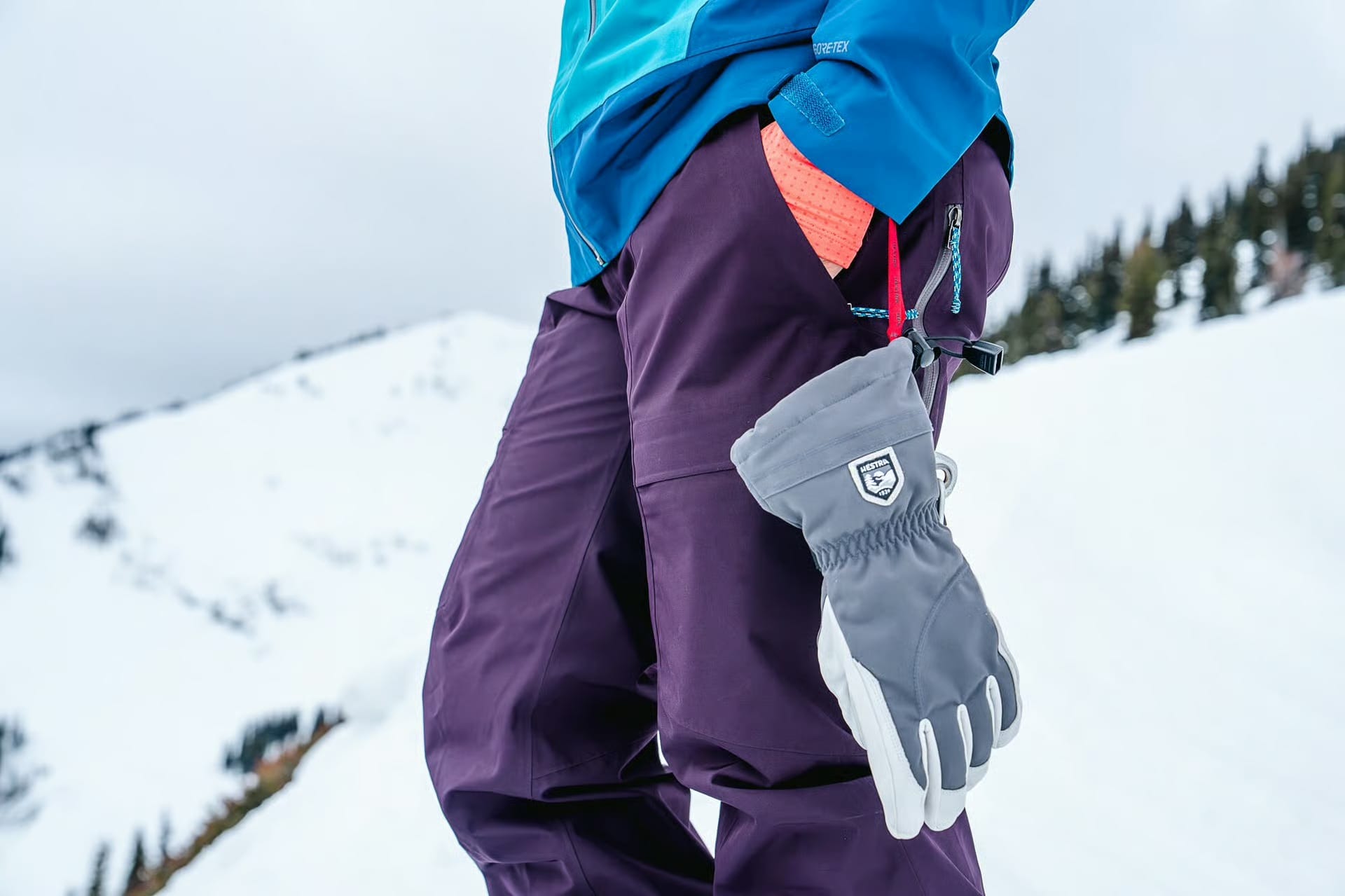
The Army Leather Heli Ski is the glove to know. The palm and fingers are goat leather treated to shed water, and the back is Hestra’s Triton nylon. Inside is a removable fleece liner with G-Loft synthetic insulation. The liner is the reason this glove works. You pull it out at night, dry shell and liner separately, and both are ready by morning. When the insulation flattens after a few seasons, you buy a new liner instead of a new glove. Goat leather gives a better grip on poles and straps than any synthetic palm, and it stays flexible in the cold. The long gauntlet goes over your jacket cuff and cinches shut, and wrist leashes let you pull the glove off without dropping it. It is bulky, and you will not use a phone in it. There is no membrane, so on a wet spring day the leather will eventually soak through unless you keep it waxed, which you absolutely should. Get the five-finger version unless your hands run cold, in which case the three-finger is warmer. Expect to pay around $185.
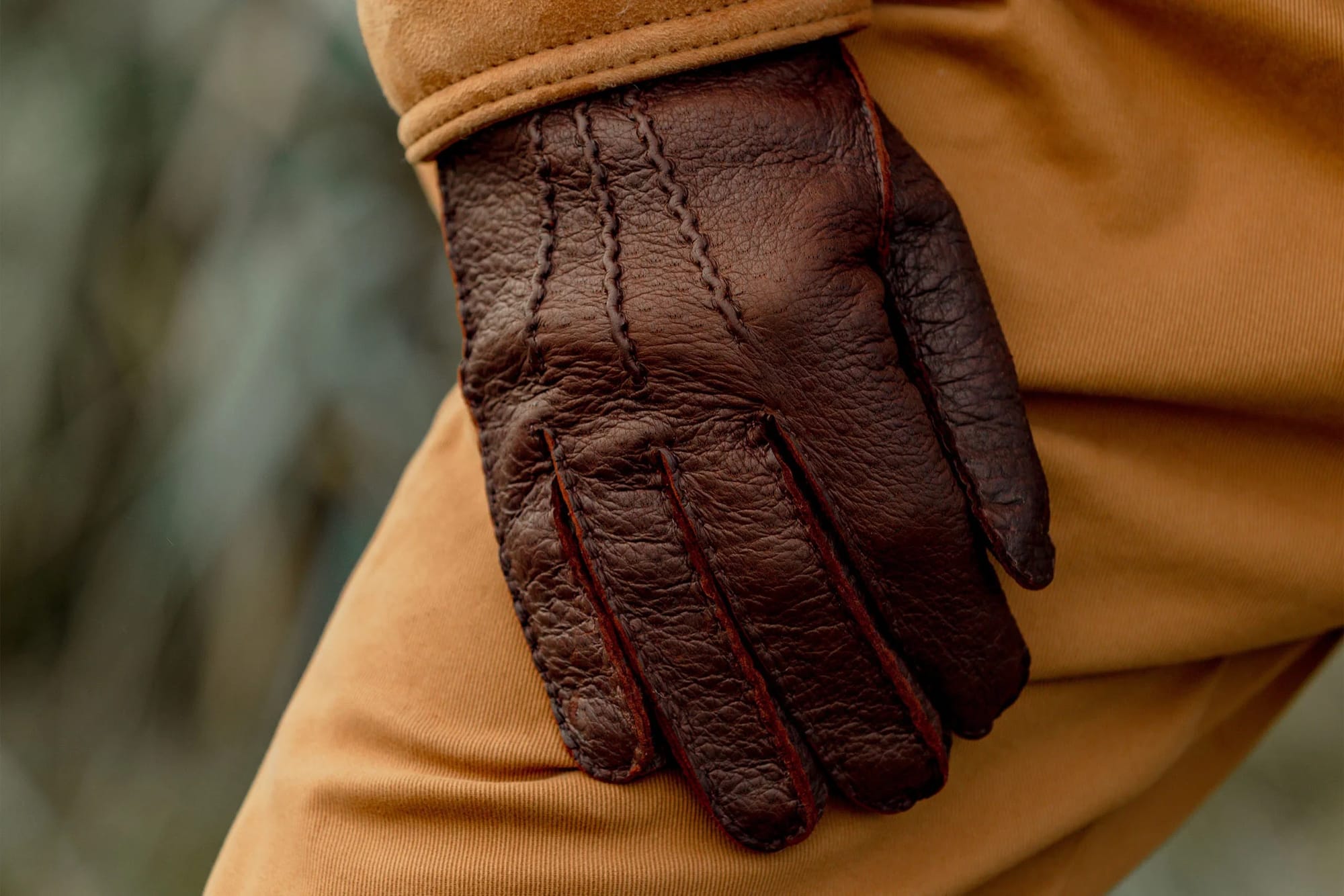
For daily wear off the mountain, the Elk Handsewn Cashmere is the one I would pick. Each hide is cut by hand and sewn in Hungary, and the lining is knitted cashmere. Elk is thicker than lamb or hairsheep but very soft, and it stretches to your hand over the first few weeks, so buy snug. Retailers rate it to about -5°C. That is accurate: it is a city glove for cold commutes, and it will not keep you warm on a chairlift. It will also look much better after five years than it does new.
Hestra became the reference because it does a small number of things consistently. It owns its production, buys its own leather, sells spare liners, and has barely touched its best-known design in decades. These are not the cheapest gloves you can buy. They are the ones you buy once. See them on the Hestra website.
Subscribe to It's About Time to get daily