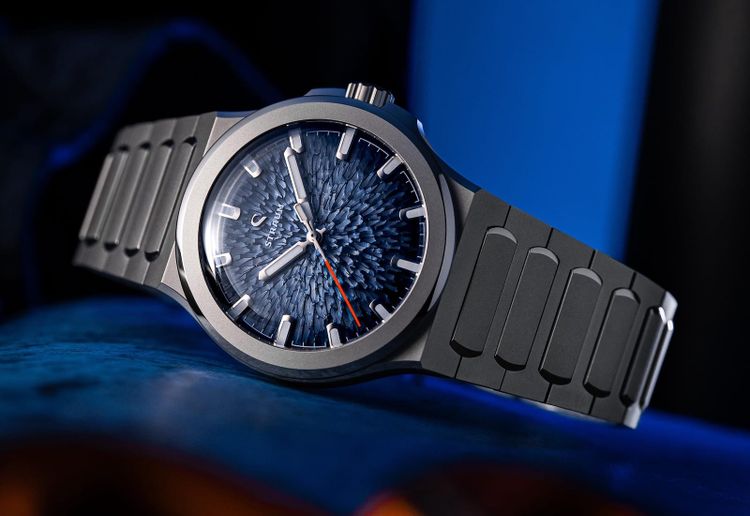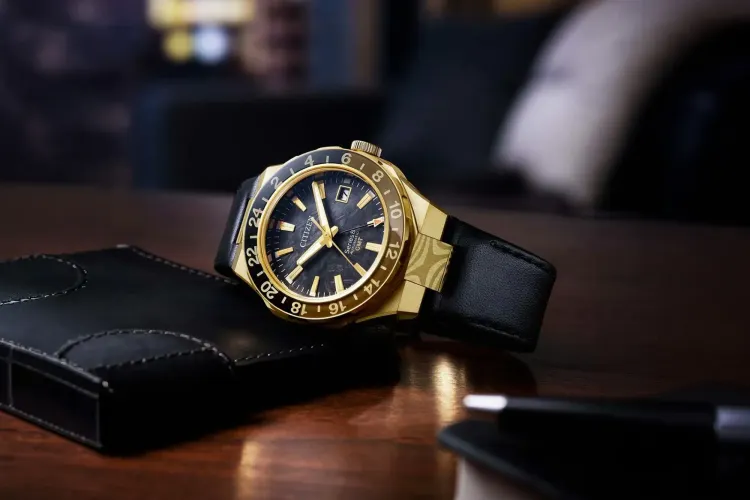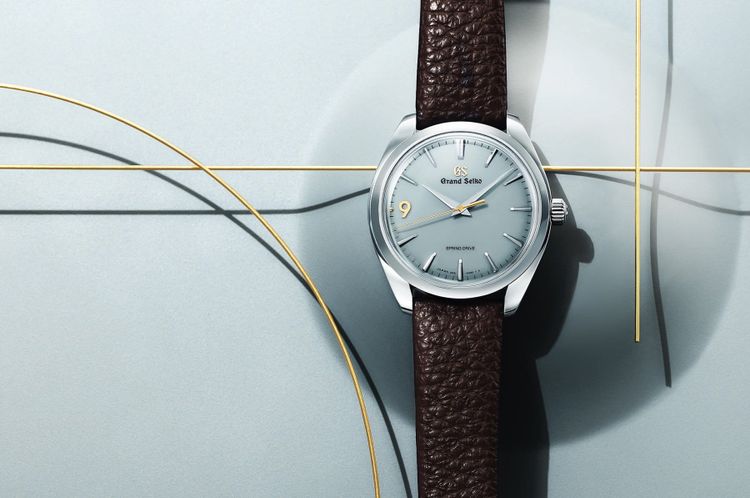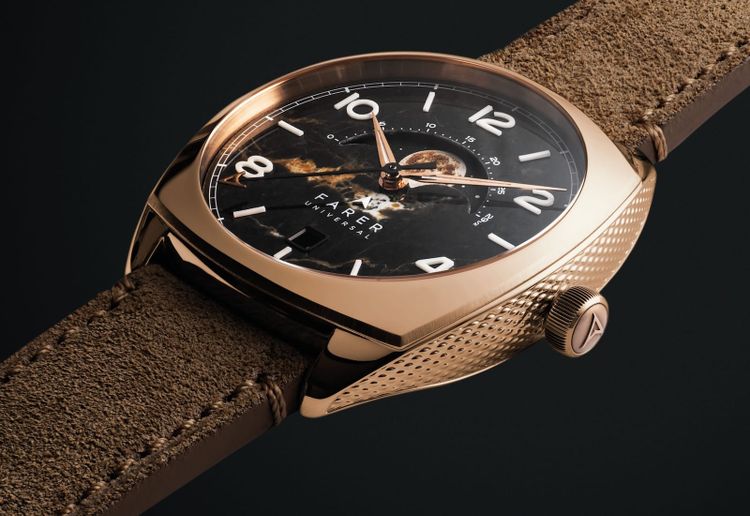
Casio Makes A Great Titanium Field Watch For Under €300, And New Watches From FC, Depancel, Glashütte Original And Moritz Grossman
Hey friends, welcome back to It’s About Time. Sorry for the very late edition today, I was swamped with work. Hope you like the watches!
THIS IS SUPER IMPORTANT! Ever since I moved to this new platform, deliverability of emails has been so-so. Some are delivered to a lot of inboxes, some are routed to people's promotions tabs. In case you haven't been getting your emails, check the promotions or junk folders and move it to the primary. That way you'll always get it.
I write this newsletter on my own, and paid subscribers are what keep it running. If you'd like to support it, you'll also get The Caseback, a weekend magazine with longer writing, every Sunday.
👂What’s new
1/ Casio Goes Into the Field With a Titanium, Sapphire and Miyota CMK-100 for Under €300
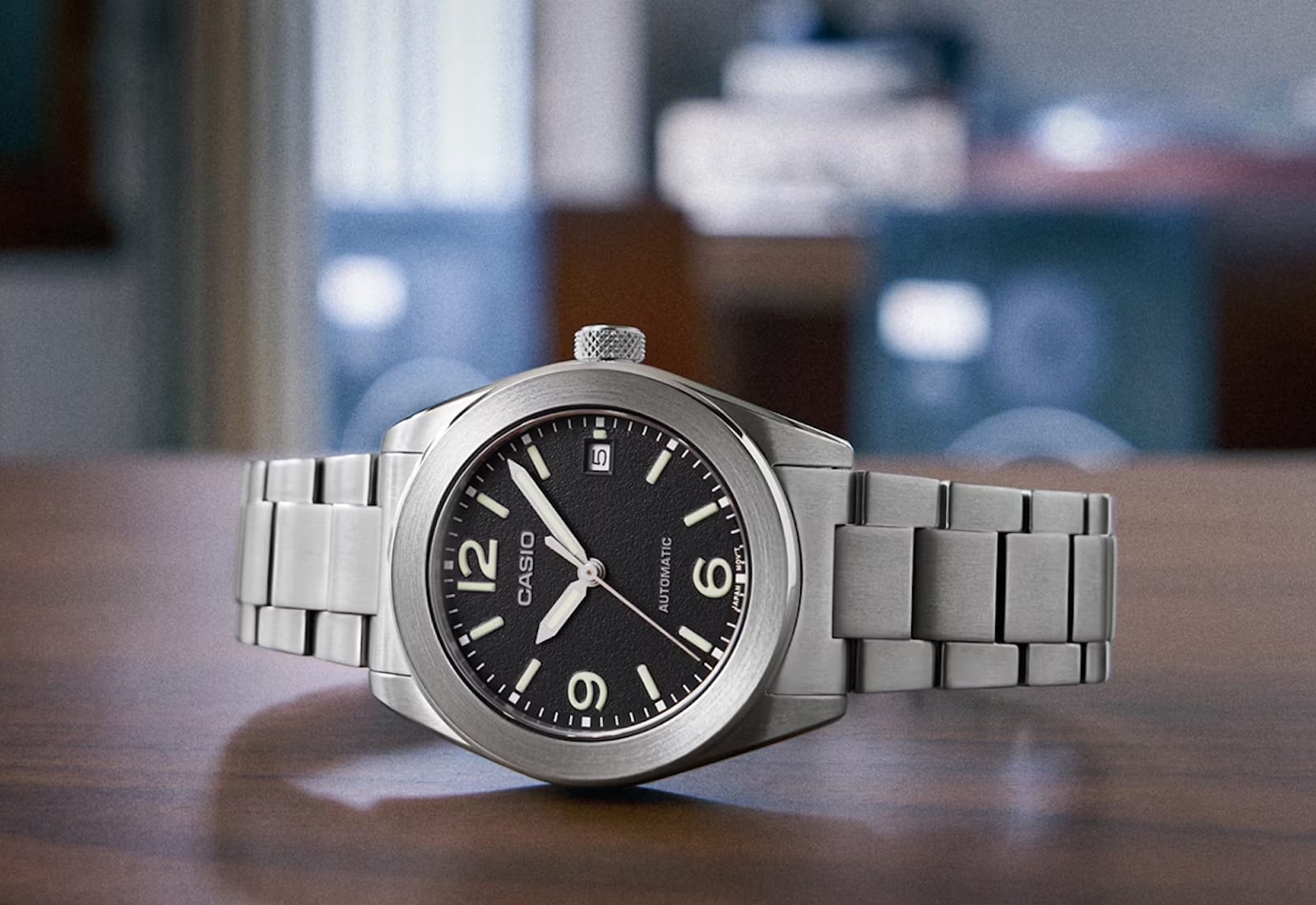
You can count on one hand the watches under €300 that combine a titanium case, sapphire crystal and screw-down crown. Casio has just added one. The CMK-100 is the brand’s third automatic collection, after the integrated-bracelet Edifice EFK-100 and EFK-200, and the first one in the field watch field. And woah, is it a good deal! And a pretty decent watch.
The case is 38mm wide and 11.4mm thick, with a lug-to-lug of 44.7mm, so it will sit well on almost any wrist. Three versions use natural titanium, one is ion-plated dark grey and one rose gold. Every case gets a titanium carbide coating to help it resist scratches, which is good because raw titanium can scratch pretty easy. The bezel is broad and flat, the crown is knurled, and the edges are polished against brushed flanks. The caseback screws in and water resistance is 100 meters.
The dial has a heavy grained texture with raised Arabic numerals and baton markers, all filled with lume. You get black with white lume, black with vintage-toned lume, dark grey on the grey model and brown on the rose gold one. The pencil hands are brushed and lumed too. The date window at three uses a white disc, and on the dark dials it’s the one thing I’d change. In fact, I'll drop the date all together.
Inside is the Miyota calibre 8215, an automatic beating at 3Hz, a 42-hour power reserve and hacking seconds. Casio rates it at -20 to +40 seconds a day, but most of these movements fall well within that range. The 8215 is relatively reliable and any watchmaker can service it. The CMK-100TD-1A comes on a brushed titanium bracelet with a three-fold clasp and weighs 98 grams in total. The CMK-100TC-1A and CMK-100TCC-8A are on cloth straps, the CMK-100TL-1A and CMK-100TCL-5A on leather, and those weigh 55 grams.
The Casio CMK-100 is priced at €299 on a cloth strap and €399 on the bracelet, available now. This is a very good field watch for the money. See more photos here and the watches on the Casio website.
2/ Frederique Constant Puts Stone Dials on Its Best Complications for the 2026 Elements Set
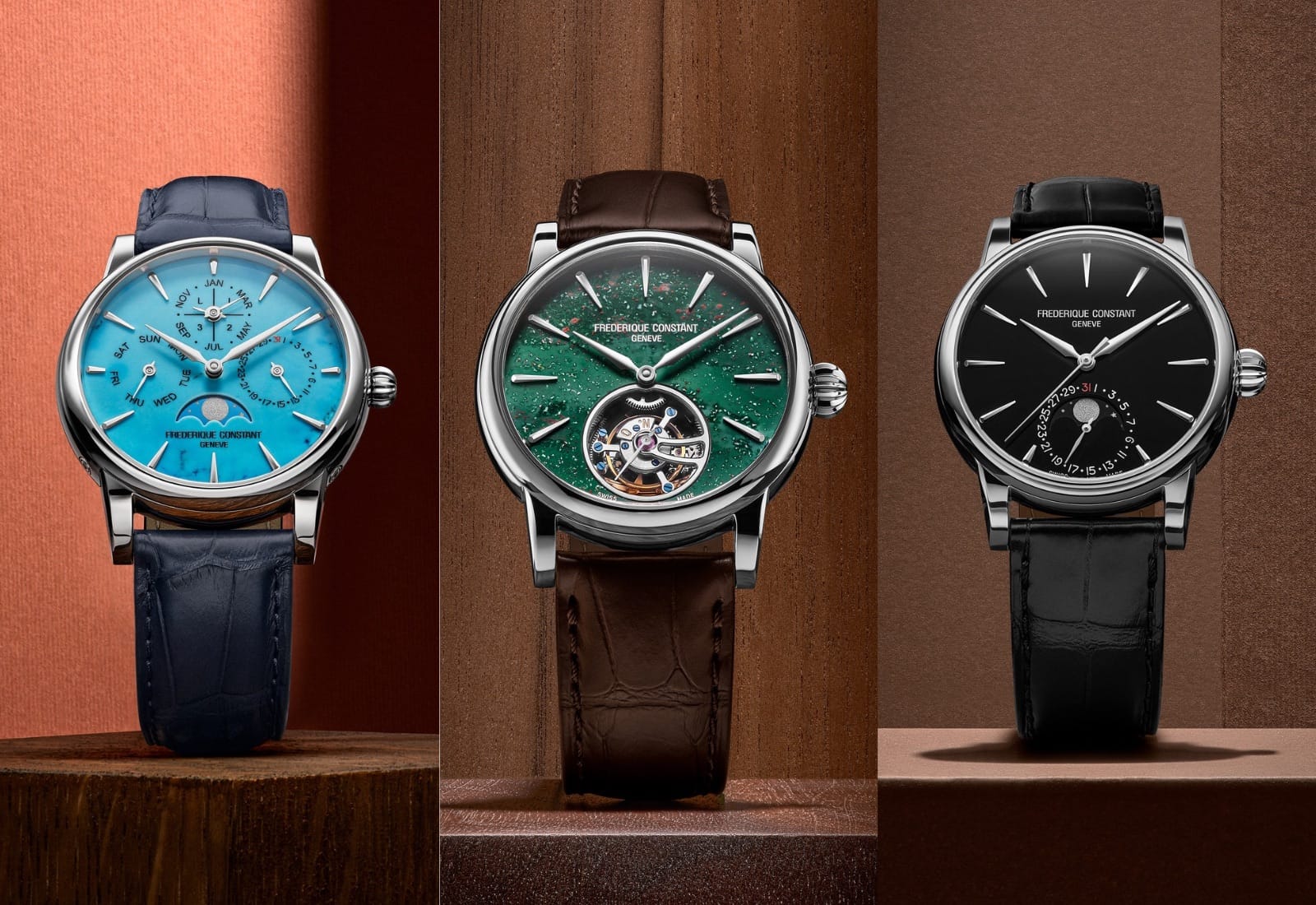
The Elements Collection is Frederique Constant’s yearly boxed set of in-house complications, each fitted with a mineral dial. Last year’s box had five watches. This year’s, which was announced a couple of days ago, I just missed it, gets three very nice complications: a moonphase date, a tourbillon, and a perpetual calendar. Stone dials are everywhere at the moment, but these are also paired to movements that would be worth buying without them.
All three use polished steel Classic cases with onion crowns, convex anti-reflective sapphire crystals up front, a sapphire display back, and 50 meters of water resistance. The tourbillon is the smallest at 39mm wide and 11.14mm thick. The moonphase date is 40mm wide and 11.98mm thick, and the perpetual calendar is 40mm wide and 12.25mm thick. Those are good dress watch proportions, and a steel perpetual calendar this slim is a real achievement at its price.
The dial furniture is kept minimal so the stone gets to shine: applied dagger indices, diamond-cut and polished, with dauphine hands. The onyx dial is the most subtle, all black, with one subdial at 6 o’clock combining the date and a moon against a starred sky. The heliotrope, also called bloodstone, is dark green with red flecks and is the most interesting stone here. An opening at 6 o’clock is used for the tourbillon cage, which doubles as the seconds hand. The turquoise perpetual calendar has month and leap year at 12, date at 3, day at 9, and moon phase at 6.
The moonphase date uses the automatic calibre FC-716 beating at 4Hz with 72 hours of power reserve. The tourbillon uses the automatic calibre FC-980-4 with a silicon escape wheel and anchor, also beating at 4Hz, but with only 38 hours of reserve. The perpetual calendar uses the automatic calibre FC-776 beating at 4Hz with 72 hours of reserve. Straps are black, dark brown, and blue alligator respectively, each with a folding buckle.
The Moonphase Date Manufacture Onyx is priced at CHF 4,895, the Tourbillon Manufacture Heliotrope is CHF 15,995, and the Perpetual Calendar Manufacture Turquoise is CHF 10,995. That’s CHF 31,885 for the trio. Each is limited to 88 pieces, a reference to the brand’s founding in 1988. See more photos here and the watches on the Frederique Constant website.
3/ Depancel Turns the Autosport’s Month Counter Into a Race Clock for the 2 Tours d’Horloge
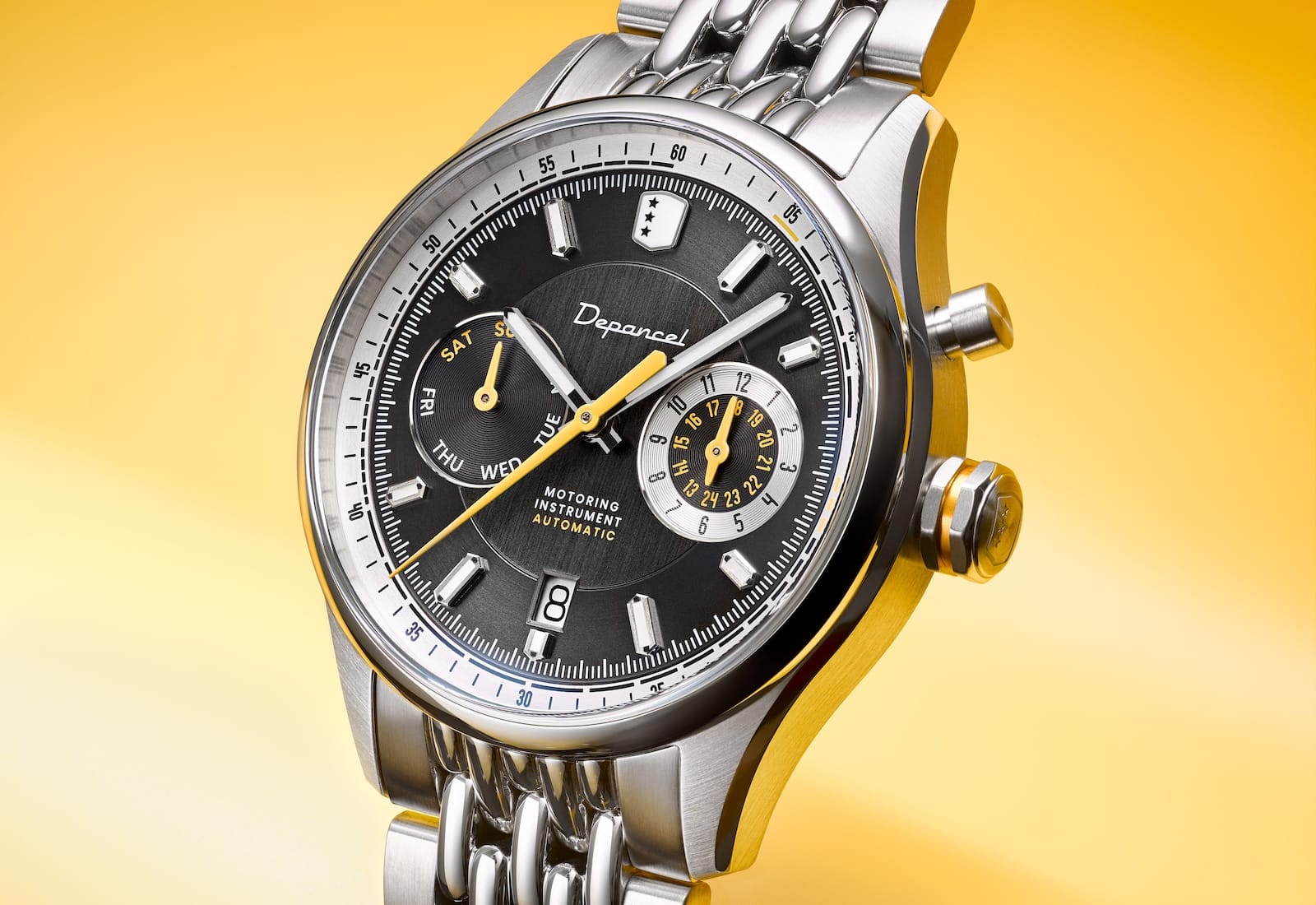
Depancel is a French brand that builds its watches around vintage motorsport, and the Autosport is its triple-calendar model. This new edition is made for the 2 Tours d’Horloge, a 24-hour race for historic cars at Circuit Paul Ricard. For the occasion, the month subdial at 3 o’clock gets a second scale from 13 to 24, and you manually move it forward one hour at a time with the month pusher to keep track of the race, instead of keeping track of the months. It’s a simple use of a function the watch already has.
The steel case is 39mm wide and 12.6mm thick, with a lug-to-lug of 46mm. Without the double-domed sapphire crystal on top it measures 11.2mm, so a fair share of that height is glass. The bezel is polished, the lugs are circular-brushed, and the flanks are brushed horizontally with polished top edges. A plaque on the left side has the edition number, and the sapphire caseback shows the race logo. Water resistance is 50 meters.
The dial is mostly black and white, with yellow kept to a few spots: the 13–24 numerals, the seconds hand, and the weekend on the day register. You get brushed sectors, textured subdials, applied indices and a minutes track around the edge. The 9 o’clock subdial shows the weekday, with Saturday and Sunday in yellow for race weekend, and the date is at 6. Outside the race, the inner ring goes back to showing the month. It’s a manual counter for the race, so it only works if you remember to press it every hour. Hands and markers use Super-LumiNova C1.
Inside is the Miyota calibre 9122, an automatic beating at 4Hz with a 40-hour power reserve and hacking seconds. The rotor gets a radiator-grille pattern and the Depancel shield, both visible through the caseback. You can have it on a bull leather strap with a steel buckle or on a steel beads-of-rice bracelet, 20mm between the lugs.
The Depancel Autosport 2 Tours d’Horloge is limited to 100 pieces and priced from €795. It goes on sale November 5 at 4pm CET, two days before the race on November 7–8. See more photos here (including incredibly cool vintage photos of the race) and the watch on the Depancel website.
4/ Glashütte Original Puts Murano Aventurine Dials Into Two New Senators
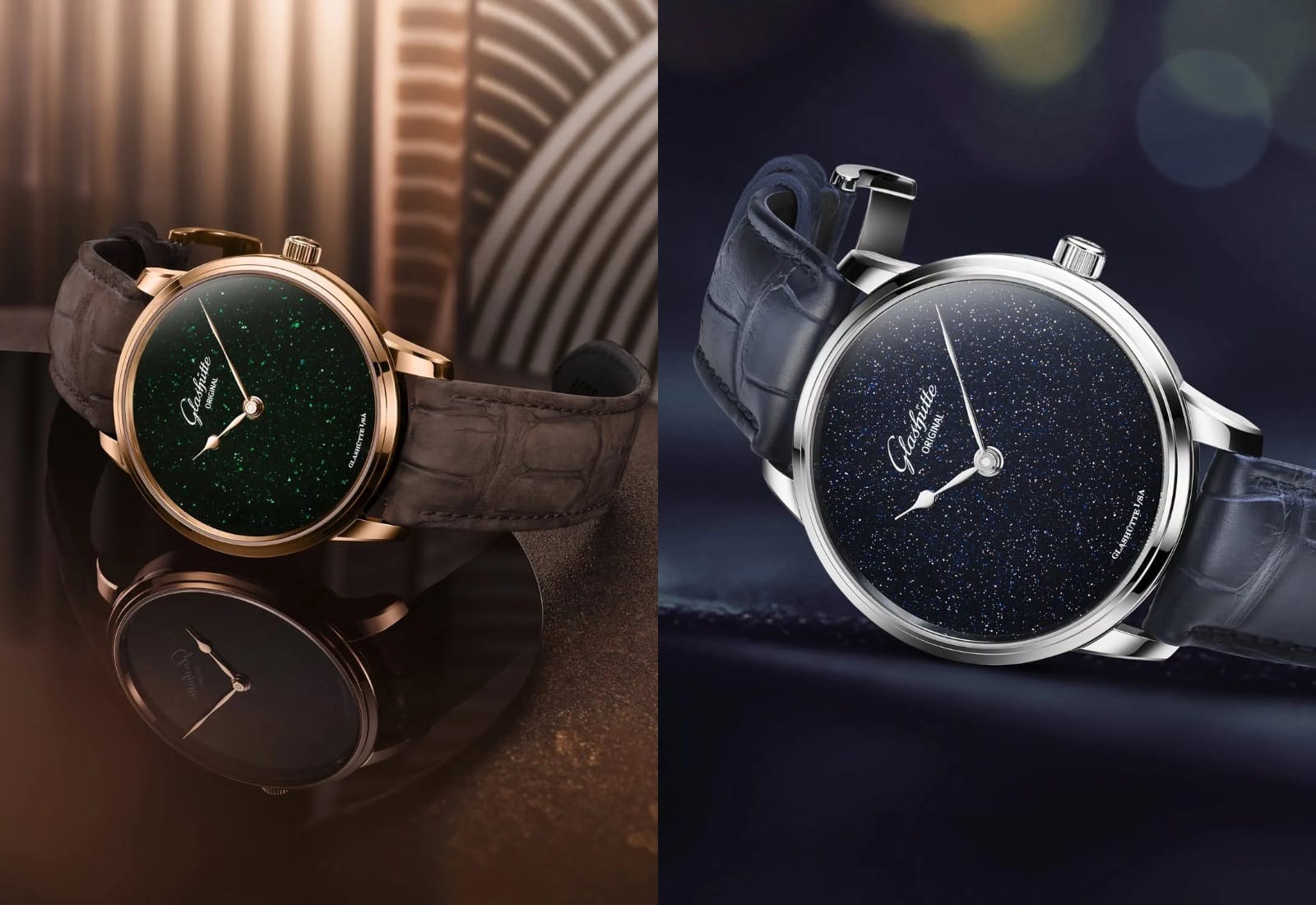
While aventurine stone does exist, and it is beautiful, in the vast, vast majority of watches that say they have aventurine dials, they don't use stone dials. Instead, the aventurine they mention is glass. Venetian glassmakers in Murano worked out how to incorporate copper crystals inside molten glass in the 1600s, and the material has been all over dials these past few years, usually in blue and offer a beautiful look for not a lot of money. Glashütte Original, however, has a different approach to aventurine dials, with two Senators, one blue in platinum and one green in red gold.
Both cases, made in either platinum or red gold, are 40mm wide and 10.2mm thick, with a lug-to-lug of 47.09mm. The lugs are a bit long for what could be a dress watch, but the thin profile and the mix of polished bezel and brushed flanks keep it from looking too big. The top crystal is a domed sapphire, there’s a sapphire display back, and water resistance is 50 meters. The fluted crown has the double-G logo.
Each aventurine disc is very thin, and Glashütte Original coats the back of it in black lacquer before mounting. That stops light coming through from behind, so the copper flecks have a black background and the dial has a deep appearance instead of milky. The blue version gets white gold hands, and the green is a dark forest shade with yellow gold hands.
Inside is the in-house automatic calibre 36-16, beating at 4Hz with 100 hours of reserve. A silicon hairspring makes it less sensitive to magnetism and temperature. Through the back you see the three-quarter plate with Glashütte striping, a hand-engraved balance cock, swan-neck fine adjustment, and a skeletonized rotor with a 21K gold weight. The blue model comes on Louisiana alligator in dark blue, the green on brown alligator nubuck, both 20mm with a pin buckle in the case metal.
The Senator Aventurine Art Déco Blue in platinum (ref. 1-36-16-40-03-01) is priced at €37,500, while the Art Nouveau Green in red gold (ref. 1-36-16-41-05-01) is priced at €35,500. See more photos here and the watches on the Glashütte Original website.
5/ Moritz Grossmann Gives the Hammer-Wound Hamatic a Black Enamel Dial
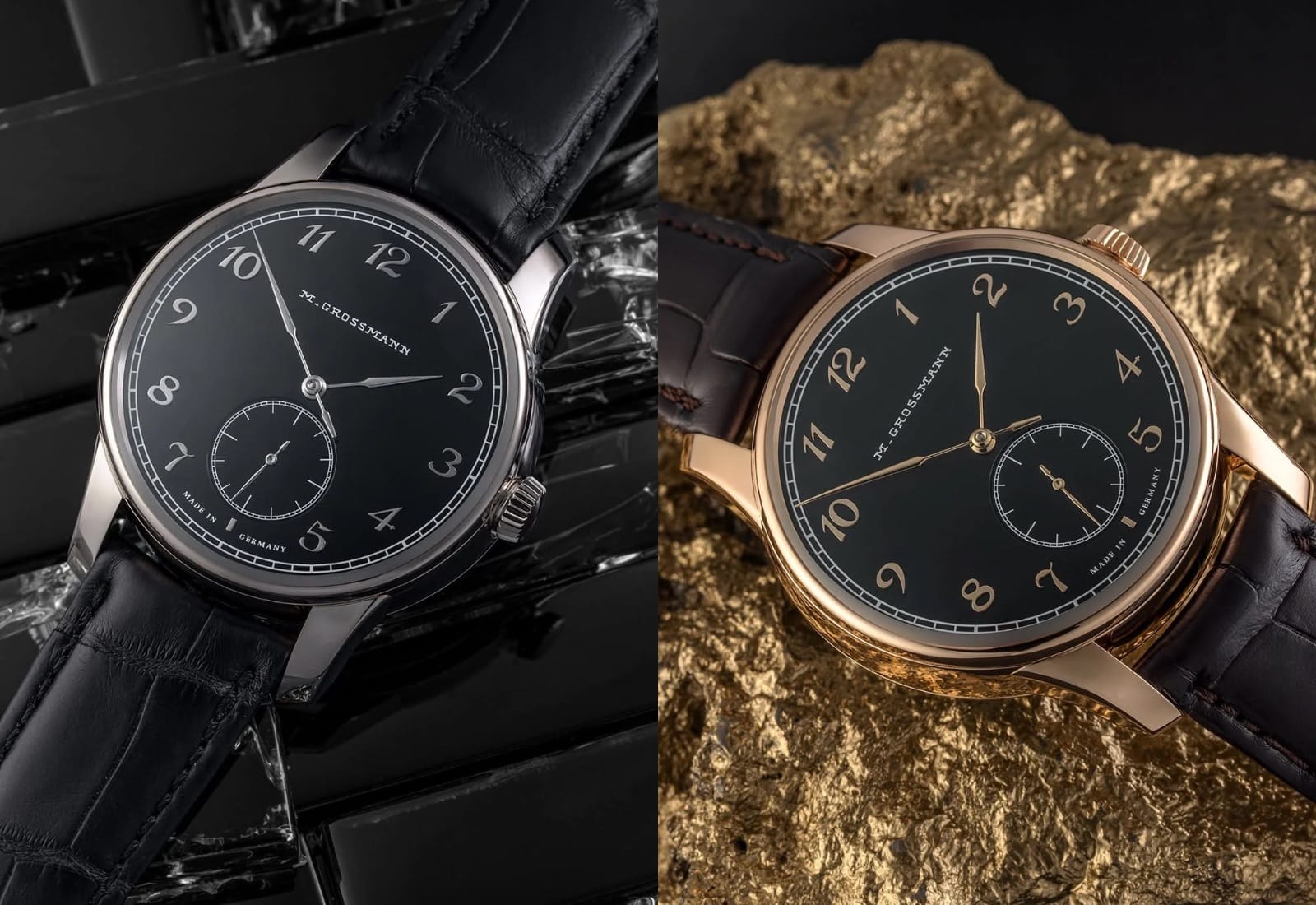
Most automatic watches wind with a rotor that turns a full circle. The Moritz Grossmann Hamatic uses a weighted hammer instead, which swings through a short arc and loads the mainspring the way the earliest self-winding pocket watches did in the late 1700s. It’s an unusual idea but also a lovely homage to the history of watchmaking. The new Hamatic Enamel adds a black enamel dial, released as part of the 200th anniversary year for Carl Moritz Grossmann.
The case is 41mm wide and 11.35mm thick, in polished 18k rose gold or white gold, with the brand’s conical crown and sapphire crystals front and back. That thickness is reasonable for an automatic with this much going on behind the dial, but it could use a few mm less in width. Water resistance is 30 meters.
The enamel is fired in several layers, so the black is deep and even. Earlier Hamatics used Roman numerals. These get applied gold Arabics that match the case metal, plus a railway minute track and a slightly recessed small seconds at six o’clock. Beautiful. The hour and minute hands are made and polished by hand, and the signature uses lettering based on the brand’s 1875 typeface.
Inside is the in-house calibre 106.0, running at 3Hz (21,600 vph) with a 72-hour power reserve and hacking seconds. The hammer is openworked, so through the caseback you still see the German silver 2/3 plate, Glashütte ribbing, gold chatons, violet-annealed screws, and a hand-engraved balance cock marked “1826.” The Grossmann balance has four inertia screws and two poising screws. The view through the caseback is the best part of this watch, as it's unlike anything else on the market. It comes on a brown or black alligator strap with a gold pin buckle.
The Moritz Grossmann Hamatic Enamel is limited to eight watches in each metal and costs €63,500 before tax. See more photos here and the watches on the Moritz Grossmann website.
I write this newsletter on my own, and paid subscribers are what keep it running. If you'd like to support it, you'll also get The Caseback, a weekend magazine with longer writing, every Sunday.
⚙️Watch Worthy
- A review of the titanium TAG Heuer Monaco
- Hands on with the Bulgari Octo Finissimo Dual Time x Vianney Halter
⏲️End links
- As artificial intelligence casually spits out answers to notably evasive problems, Terrence Tao, a renowned mathematician, and his colleagues wrestle with the existential implications for their field. Rivka Galchen’s profile of Tao is also a demonstration of mathematics as human lineage and artistic practice, a chain of problems that has long encouraged expansive thinking. That chain now appears strained to the point of breaking—a potential “decoupling,” Galchen writes, of “problem-solving and insight.” Don’t miss the superb ending on this one.
- Looking for a job? It’s incredibly tough out there. For young-adult job seekers and college graduates with newly earned degrees across disciplines, speaking to an actual human being during the application process can feel impossible. Reporting for The New York Times, Callie Holtermann describes what members of Gen Z are experiencing and feeling. Isolated, humiliated, and useless, most feel like they’ve thrown their applications into an abyss—and the advice that older generations have given them no longer applies.
- The words amateur, dabbler, and dilettante all conjure a reputation for surface-level attention, one that as Nigel Warburton argues for Aeon, gets an unnecessarily bad rap. Warburton surveys history and the evolution of language, asking you to shift your perspective in this fun and engaging defense of those who enjoy many passions without a requirement for rigour.
👀Watch this
I saw the thumbnail for this video and thought: oh, looks cool, shame they use AI to generate images. Then the little disclaimer got my attention. They claim to use no AI generated images. And for that, they deserve a feature. Good work!
Thanks for reading
Vuk
P.S. If you have any questions, suggestions, gripes or anything else, just reply to this email. It comes straight to me and I try responding to everyone.
Subscribe to It's About Time to get daily watch news